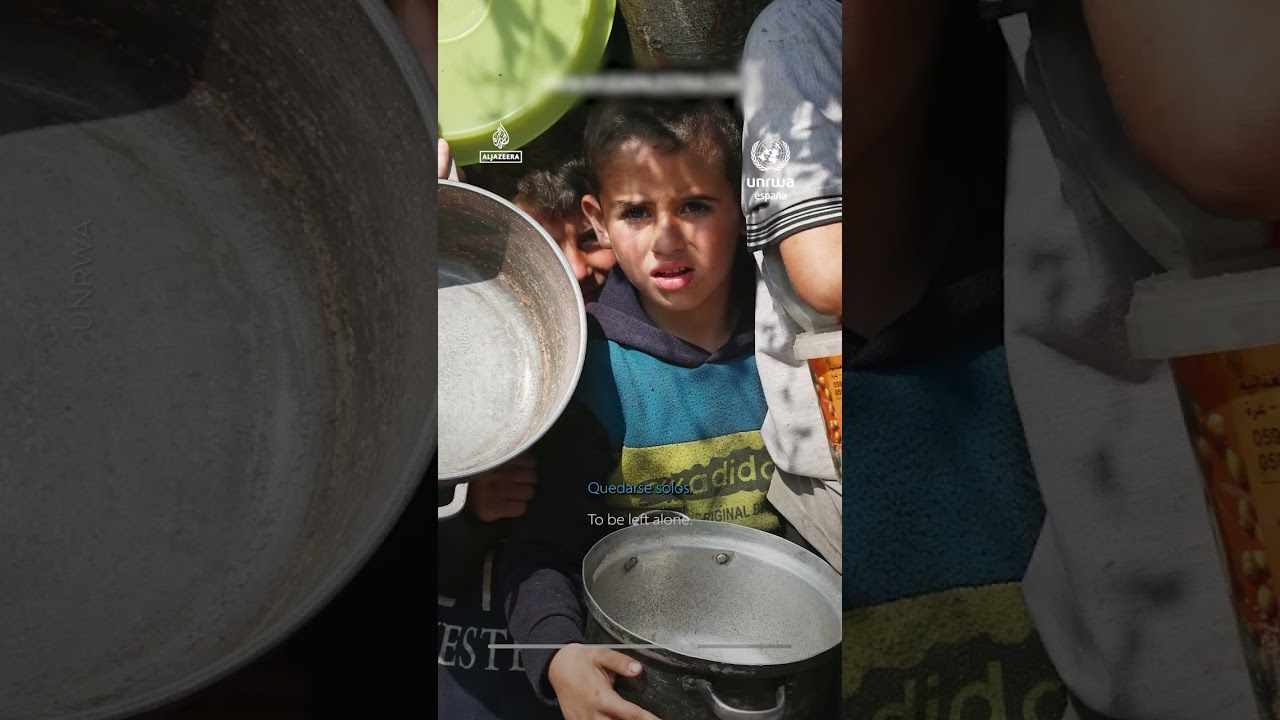
The closure of the Strait of Hormuz has disrupted global fertiliser supplies, with around one-third of the world’s fertiliser normally passing through the waterway. Gulf states export 41 percent of the world’s urea and significant shares of ammonia, phosphate rock and sulphur—critical ingredients for farming. Nitrogen urea prices have surged by roughly 80 percent since February, reaching levels not seen since the Ukraine war. The United Nations warns that if disruptions continue, up to 45 million more people could be pushed into hunger, bringing the global total facing food shortages to a record 363 million.
Al Jazeera’s Laura Khan explains.
Subscribe to our channel: http://bit.ly/AJSubscribe
Follow us on X: https://X.com/AJEnglish
Find us on Facebook: https://www.facebook.com/aljazeera
Check our website: http://www.aljazeera.com/
Check out our Instagram page: https://www.instagram.com/aljazeeraenglish/
Download AJE Mobile App: https://aje.news/AJEMobile
#StraitOfHormuz #HormuzCrisis #FertiliserCrisis #GlobalFoodCrisis #FoodSecurity #GulfExports #UreaPrices #GlobalHunger #IranWar #FertiliserPrices #WorldFoodProgramme #Somalia #AustraliaFarming #SupplyChainCrisis #FoodPrices #FarmingCosts #WorldBank #FoodShortages